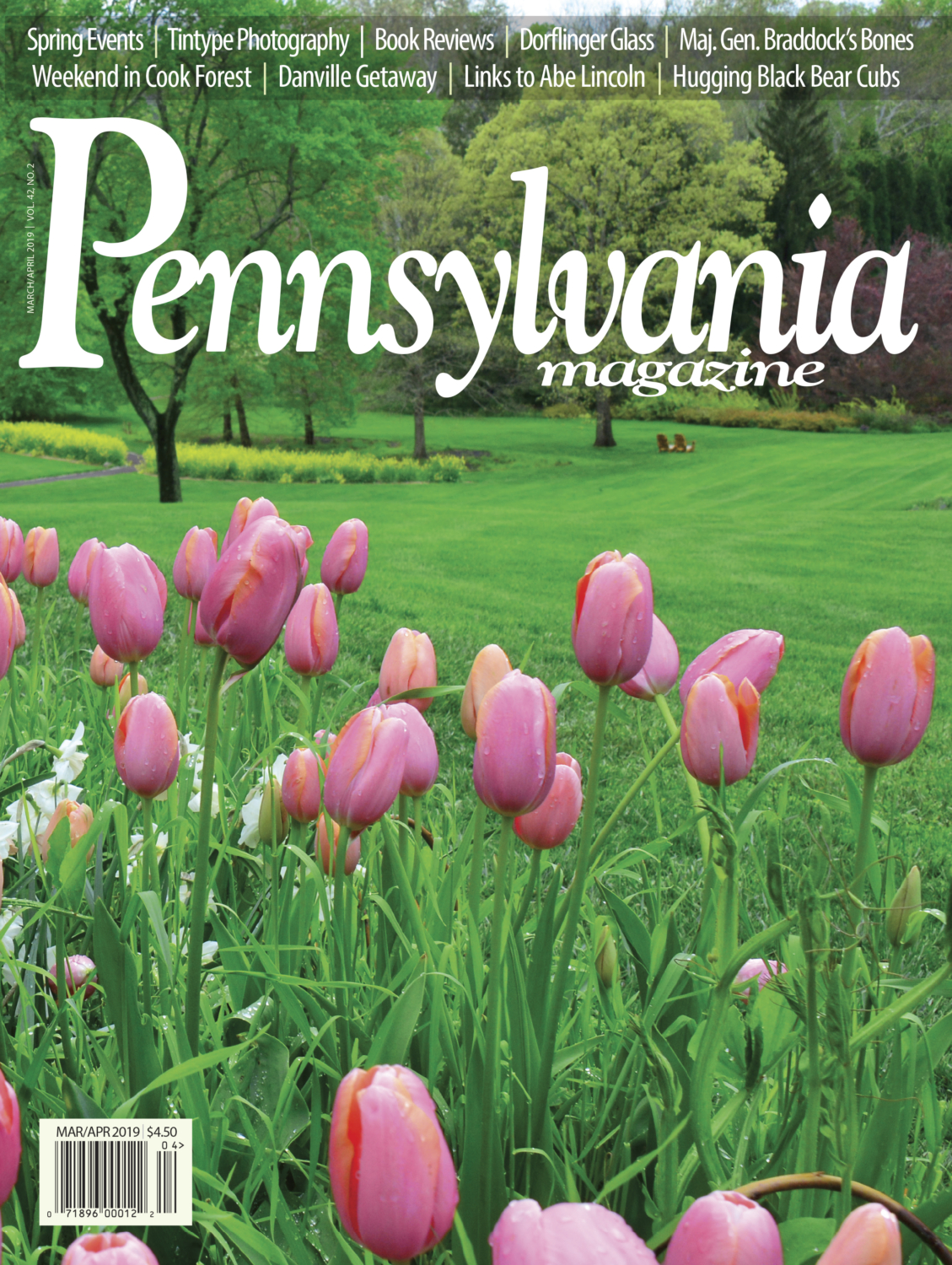
Cook Forest Offers a Variety of Activities this Summer

 Cook Forest State Park in Clarion County Offers a Variety of Activities this Summer

Download a summary of the programs in PDF form: Cook Forest programs 5-12-6-10-12

Saturday, May 12 at1:45pm - ‘Cook Forest Equestrian Tour’   Please meet at the Silver Stallion Stables for a unique three-hour equestrian interpretive tour via horseback. You will travel through the pine orchards of Forest Drive and deep within the Forest Cathedral. Whitetail deer and goshawks have been known to make an appearance. Cost is $100 per person which includes basic riding instruction, a wide array of discussion on environmental topics and a scenic lunch prepared by a local Chef. (Vegetarian options available).    Participants must be at least 12 yrs of age and weigh no more than 250 lbs. Pre-registration by May 10th is required, and is limited to 8 People. A Visa or MasterCard will hold the reservation.  A 25% cancellation fee for any cancellations 48hrs prior to May 12th. For directions, information, or to register, contact Silver Stallion Stables at (814) 927-6636.  (3 hrs)

2012 living history weekend Friday-Sunday, May 25-27 - ‘Cook Forest Living History Weekend’   Please join us for a fun filled weekend of living history as we journey through various historical eras:  Renaissance, French &  Indian, Colonial, Lumber, Industrial Revolution, Political Reform.  Join renowned   living historian and master story-teller, Paul Stillman from Historically Speaking!, as he takes us through these   noteworthy periods in history through first person character portrayals, and hands-on demonstrations.  Contact Park Office for detailed program schedule.

Herp WeekSaturday-Saturday, June 2-8 - ‘Herp Week’  Join Terry Laux, naturalist and amateur herpetologist, for a week of fun filled activities looking for Cook Forest’s reptiles, salamanders, and frogs.  This is a great hands-on learning opportunity to see and handle some of our slimy friends up close.  Contact Park Office for detailed program schedule.

2012 Children’s Fishing Rodeo: Sunday, June 3 at 100pm - ‘Children’s Fishing Rodeo’  Children 12 years and under are permitted to fish freshly stocked Tom’s Run from the Swinging Bridge to the Children’s Fishing Pond.  Registration and prize give-away will be held at the Children’s Fishing Pond behind the Park Office. This event is sponsored by the Marienville Rod & Gun Club, PA Fish & Boat Commission, Cook Forest Vacation Bureau, and Cook  Forest State Park. All prizes donated by area merchants.  (2 hrs)

2012 flyer  Saturday-Sunday, June 9-10 - ‘Cook Forest French & Indian War Encampment’  Cook Forest State Park will host a series of living history events depicting life during the French & Indian War.  Highlights of this full two-day encampment sponsored by the Sawmill Center for the Arts include woodland natives, cannon and musket firing, cooking,   primitive skills, 18th century surgical techniques, clothing demonstrations, flintknapping, bow building, blacksmithing, pottery, woodworking, sheep shearing, sutler camp, live tactical engagements, renown living historians and French & Indian War Era artists.  Take a walk back in time along the Black Bear Trail by the Sawmill Center for the Arts during open camp hours, to view over 150 British, Colonial, French, and Native American re-enactors as they portray lifestyles of the 18th century.  Contact Park Office for detailed program schedule.

2012 River Ecology flyer August 9-10, 2012, River Ecology Teacher Workshop, Cook Forest State Park and the North Central Region

Math/Science Education Collaborative will be conducting a two-day ‘River Ecology Teacher Workshop’. Teachers will receive a copy of Fresh Water Macroinvertebrates of the Northeast, the Pennsylvania Fish & Boat Commission’s Pennsylvania Fishes, as well as have the option to receive ACT 48 hours.


Filed in Fun Stuff,General Pennsylvania-related Links Comments Off

Ephrata Cloister Chorus To Hold Spring Concert On May 12


Ephrata Cloister Chorus To Hold Spring Concert On May 12
From their PRESS RELEASE:
The heavenly voices of the Ephrata Cloister Chorus will kick off their Spring Concert season on May 12, at 4:00 p.m., at the Historic Ephrata Cloister, 632 West Main Street, Ephrata.Featuring music composed by members of the Ephrata Cloister, a former celibate German religious community, the concert will also have music from other early American communities, and a special rarely performed selection from Renaissance composer Hans Leo Hassler, titled Missa Octava.
This selection will also be accompanied by a string quartet.The chorus’s four-part harmony will echo through the 1741 meeting house in a double choir; one chorus singing in reply to the other.
“The acoustics of the meeting house and the string quartet lend an air of excitement to the performance,” says Dr. Daryl Hollinger, Ephrata Cloister Chorus Director. “To have music such as this performed in the historic setting is a rare opportunity not to be missed.”The Spring Concert at 4:00 p.m. is the end of a day-long celebration of women’s history at the historic site, including demonstrations and exhibits of women’s chores and daily lives. Beginning at 10:00 a.m. and continuing until 4:00 p.m. the event is titled Mothers, Daughters, Sisters. Admission to the concert and Mothers, Daughters, Sisters program is $10.00 for adults and $7.00 for youth 3-15 years old.

Filed in Press Releases of interesting things/events Comments Off

Meadowcroft opens May 5

From their Press Release:


Meadowcroft Rockshelter is a National Historic Landmark and the oldest site of human habitation in North America.
At Meadowcroft’s annual Atlatl Competition on June 16-17, visitors can try their hand using the atlatl, a spear-thrower used by prehistoric hunters. This two-day contest is free to enter with Meadowcroft admission, for all ages, genders, and skill levels
This one room schoolhouse is part of Meadowcroft’s Historic Village, which recreates all of the charming qualities of an Upper Ohio Valley Village from the mid-19th century.


Visitors can explore Meadowcroft’s recreated Indian Village and encounter native artisans demonstrating everyday life skills at the popular American Indian Heritage Weekend on Sept. 22-23.


Meadowcroft Rockshelter and Historic Village Opens New Season on May 5

-New 1770s-era cabins, self-guided walking trail, and special events highlight 2012 season-


PITTSBURGH, April 30, 2012 – Meadowcroft Rockshelter and Historic Village, the oldest site of human habitation in North America, will kick off its 2012 season this Sat., May 5, beginning at noon.


Meadowcroft, which is part of the Senator John Heinz History Center’s museum system, has become an international destination, welcoming more than 15,000 visitors from 35 U.S. states and 12 countries last year. With new site upgrades and popular annual events, Meadowcroft is poised for another record-breaking season in 2012.


The National Historic Landmark, located in Avella, Pa. in Washington County, features a massive, 16,000-year-old rock overhang used by the region’s earliest inhabitants for shelter. In addition to ancient history at the Rockshelter, visitors can also step back in time at Meadowcroft’s Historic Village, which carefully recreates all of the charming qualities of an Upper Ohio Valley Village from the mid-19th century. A recently completed 16th century Indian Village allows visitors to travel 400 years into the past and relive what life was like for the Eastern Woodland Indians.


Throughout this spring, Meadowcroft will finalize construction of two new 1770s era structures that will help spotlight the similarities and differences between the everyday lives of European settlers and American Indians in the Upper Ohio Valley. An open-sided log shelter will represent the initial home and trading post of European settlers, while a log cabin will show how late 18th century American Indian families adopted European building techniques.


Also new this year, a self-guided trail with informational signs on the Meadowcroft property will provide visitors with a new walking trail loop through the woods. Visitors will learn how the forest served as the supermarket, pharmacy, clothing store, and much more to American Indians. For example, visitors will learn how poplar trees were used by American Indians to make dugout canoes, or how the Iroquois believed that plants like the maple-leaved viburnum offered special protection against curses and sorcery.


A variety of special events highlight the 2012 schedule:

  • Atlatl Competition, June 16-17: Visitors can try their hand using the atlatl, a spear-thrower used by prehistoric hunters. This two-day contest, for all ages, genders, and skill levels is free to enter with Meadowcroft admission.
  • Independence Day Celebration, July 4: Meadowcroft will celebrate the spirit of 19th century rural America with old-fashioned summer games, open hearth cooking demonstrations, and a pie-eating contest on the Fourth of July.
  • American Indian Heritage Weekend, Sept. 22-23: Visitors exploring Meadowcroft’s recreated Indian Village during this special weekend will encounter native artisans dressed like their ancestors as they demonstrate skills of everyday life. Visitors can also explore the interior of a wigwam, inspect carefully recreated prehistoric artifacts, learn about American Indian agriculture, and try their hand using an atlatl, a prehistoric spear thrower.
  • Insider Tours of Meadowcroft Rockshelter: On select dates throughout the 2012 season, visitors can enjoy exclusive Insider Tours with James M. Adovasio, Ph.D., who achieved international acclaim with his archeological excavation of the Rockshelter in 1973. Dr. Adovasio will present a lecture and lead a special tour on the site on June 30, Oct. 6, and Nov. 3. For reservations, contact Frances Skariot at 724-587-3412 or frskariot@heinzhistorycenter.org.


Throughout May, Meadowcroft is open Saturdays, Noon to 5:00 p.m. and Sundays, 1 – 5:00 p.m. From Memorial Day through Labor Day, Meadowcroft is open Wed.-Sat., Noon – 5:00 p.m., and on Sundays from 1 – 5:00 p.m. Admission is $10 for adults, $9 for senior citizens, and $5 for children ages 6-17. Children under 6 and History Center members get in free.


For more information on Meadowcroft Rockshelter and Historic Village, please visit www.heinzhistorycenter.org and click on the Meadowcroft tab or call 724-587-3412.


Meadowcroft Rockshelter and Historic Village operates in association with the Senator John Heinz History Center, an affiliate of the Smithsonian in Pittsburgh and Pennsylvania’s largest history museum.  Meadowcroft, a National Historic Landmark, is the oldest site of human habitation in North America and features a massive, 16,000-year-old rock overhang used by the region’s earliest inhabitants for shelter. Meadowcroft’s 19th century village features a covered bridge, one-room schoolhouse, blacksmith shop, church, and two log houses that create a charming country village setting. The 16th century Indian Village includes a wigwam, recreated prehistoric artifacts, and hands-on activities related to American Indian agriculture. Meadowcroft Rockshelter and Historic Village is located in Avella, Pa., Washington County, within an hour’s drive of Pittsburgh, Wheeling, W.Va., and Steubenville, Ohio. For more information, please visit www.heinzhistorycenter.org/meadowcroft.


Filed in Website Links from Issue Comments Off

May/June 2012 issue, websites and other things

May/June 2012

The links are listed as follows: Article, Event/location, Website link, page in magazine

Chasing the Elusive Butterfly, Fort Indiantown Gap tour of fritillary butterfly habitat, DATES POSTED AS OF APRIL 30 are for 2011 dates: http://www.dmva.state.pa.us/portal/server.pt/community/featured_topics/13476/regal_fritillary_butterflies_at_fort_indiantown_gap/726675, 8-10

Tracing the Molly Maguires, The Old Jail Museum, www.theoldjailmuseum.com, 11-13

Tracing the Molly Maguires, Wooden Keg Tavern, woodenkegtavern.com, 11-13

Going ‘Dutch’, Dutch Oven Experience, email the McConnell’s at dutchovenprogram@gmail.com, 14-15

Going ‘Dutch’, Dutch Oven Experience, Pioneer Frolic, June 23-24, www.friendsofgoddard.com, 14-15

Ancient Horticulture, Rodef Shalom Biblical Botanical Garden, www.biblicalgardenpittsburgh.org, 16

Tavern Days, Dill’s Tavern and Plantation, www.dillstavern.org or www.northernyorkhistorical.org, 18-20

Perfect Seclusion, Spring Hill B&B, www.springhillbb.com, 21

Meeting Heroes at the Airfield, Mid-Atlantic Air Museum WWII Weekend, June 1-3, maam.org, 22-25

Wreck ‘Em, Mountain Springs Arena, May 27, July 14, September 2, and October 6, mountainspringarena.com, 30-33

Baseball Park Tours, PNC PARK, pittsburgh.pirates.mlb.com/pit/ballpark/tours/index.jsp, 34-38

Baseball Park Tours, Citizen’s Bank Park, philadelphia.phillies.mlb.com/phi/ballpark/tours/index.jsp, 34-38

Book Reviews, Patrick Reynold’s Red Rose Studio, redrosestudio.com, 46-47

Feeling the Wood, National Road Chainsaw Carving Festival, June 14-16, carvingfest.confluencelions.org, 50


Filed in Website Links from Issue Comments Off

Help Construct a Longhouse in Lancaster County


The Hans Herr House in Lancaster County is planning a Strip Bark Build Community Day for Saturday April 28, 2012 starting a 8am, ending when they get done. You are invited to participate (registration is required). They are seeking 100 volunteers of all ages and groups to help start the project off. They will provide lunch and snacks for all volunteers.  There will be Native American food for sale.

Below is a registration form link that  all volunteers should complete.  Fill it out and either email or snail mail it the Herr House.  They need it for insurance reasons and for a count for lunch.

If you are going, take the following along:

  • drawknife, sharp hunting knife, potato peeler or pocket knife
  • Lawn chair
  • saw horses, if you have them

The event will be held rain or shine, so dress appropriately.
Invite your friends and family.  It will be a day full of fun and fellowship. When will you have this chance to help build a Longhouse ever again?

CONTACT INFO:

Becky Gochnauer
Director
1719 Hans Herr House & Museum
1849 Hans Herr Drive
Willow Street, PA 17584
717.464.4438


Registration form

Filed in Website Links from Issue Comments Off

Two African Penguin Chicks Hatch at National Aviary in Pittsburgh


TWO AFRICAN PENGUIN CHICKS HATCH AT NATIONAL AVIARY


First penguins hatched at National Aviary grow penguin colony to 14


Pittsburgh, PA (March 25, 2012) While hockey fans across the region are celebrating the return to the ice of Pittsburgh Penguin Sidney Crosby, Pittsburgh’s “other” Sidney is celebrating the arrival of his new offspring, a pair of African penguins.


The chicks, which hatched on February 26 and 29, are a first for the National Aviary.  They will be hand-raised by staff until the end of the summer, at which time they will join the 12 other African penguins living in the Penguin Point exhibit. Penguin Point is made possible by the support of Trib Total Media.


“We are excited to welcome the first African penguin chicks hatched at the National Aviary,” said Patrick Mangus, National Aviary Executive Director. “Since the opening of our Penguin Point exhibit in 2009, more than 350,000 visitors to the National Aviary have experienced these amazing, personable birds. We’re certain the hatching of these two African penguin chicks will aid our efforts to educate the public on the work being done here and around the world to protect this endangered species.”


The chicks are the first offspring for Sidney and his mate, Bette. The chicks’ gender will not be determined for another 12 to 16 weeks, but the naming of the chicks is already underway. “We’ve named the first chick “Tribby” in honor of our Penguin Point presenting sponsor, Trib Total Media,” said Mangus.  “Naming rights for Tribby’s sibling are being auctioned on-line beginning Monday, March 26.”  The online auction can be accessed at www.Aviary.org.  The auction will close at 8 pm on March 30.


The penguin chicks will be introduced to the public at a special ticketed evening event on Friday, March 30. From 6 – 8 pm, attendees can view the new penguin chicks, meet some of the Aviary’s other African penguins, and participate in hands-on activities around the Aviary. Attendees can also bid to win an autographed Sidney Crosby jersey, as well as a special family painting created by African penguins Sidney and Bette and their chicks. Tickets for the Hatch Party are $25 and are available for purchase through the National Aviary website.


Beginning on Saturday, March 31, the public will have the opportunity to view the penguin chicks twice daily at 11 am and 2:30 pm in the Penguin Point exhibit. The chicks will join the 12 other African penguins in the Penguin Point exhibit at the end of the summer.


Endangered in the wild, the National Aviary’s African penguins are part of the international African Penguin Species Survival Plan (SSP), a strategy to ensure the long-term viability of the species.


“The Species Survival Plan has a genetic map of every African penguin enrolled in the program at more than 40 accredited zoos and aquariums,” said African Penguin SSP Chair and National Aviary Director of Animal Collections Steve Sarro. “Each penguin is ranked based on how well represented their genes are in the population. The new chicks are valuable additions to the SSP, and every successful breeding of African penguins is a step forward in ensuring the future of the species.”


Filed in Website Links from Issue Comments Off

Wood Duck links for the March/April 2012 issue

Wood duck nest boxes:

Click here to go to the NWF site

Click here to download the PDF that appeared in the magazine.

Plans at this National Wildlife Federation site: http://www.nwf.org/~/media/PDFs/Wildlife/duck_box_plans.ashx

Plans at Ducks Unlimited’s site: http://www.ducks.org/conservation/waterfowl-biology/wood-duck-boxes

Ducklings hatching and jumping on National Geographic Kids website: http://video.nationalgeographic.com/video/kids/animals-pets-kids/birds-kids/wood-duck-babies-kids/

Information about Wood Ducks from the Cornell Lab of Ornithology: http://www.allaboutbirds.org/guide/Wood_Duck/lifehistory/ac

Filed in Website Links from Issue Comments Off

Pennsylvania Game Commission’s release about feeding wild birds. . .

Wild Bird Feeding: Is it ok?

By Joe Kosack

Wildlife Conservation Education Specialist

Pennsylvania Game Commission


HARRISBURG – Feeding songbirds in winter has been an American pastime at least since the days of Henry David Thoreau, who wrote about feeding birds at Walden Pond in the latter 1840s. But Americans have enjoyed watching songbirds clean up our table-scraps and waste grains even before then.
Thoreau did it to get closer to subjects he enjoyed watching and wanted to know about. Today, many people – particularly those 25 and older – have similar interests. More than 55.5 million Americans feed wild birds and a third of Pennsylvanians observe wildlife around their homes, according to a 2006 U.S. Fish and Wildlife Service survey. More importantly, they spend millions of dollars on these pastimes. Feeding birds is no longer a cute thing that some people do; it’s a full-fledged American industry that influences our economy.
But is inviting songbirds – and indirectly, other wildlife – closer to our homes a smart move? Are we compelling wild birds to become more dependent on or unnecessarily comfortable with people? Does feeding birds in winter create health risks for songbirds at a time of unquestioned vulnerability?
“It is important to get past the, ‘Is it ok to feed birds?’ question before engaging in any discussion about bird feeding,” noted Doug Gross, Pennsylvania Game Commission biologist. “Of course, our preferred answer to the question is for folks to plant vegetation beneficial to birds before hanging feeders. Birds can never have too much good habitat.
“But we recognize not everyone has an acre or two, or simply some backyard space, to groom into wild bird-preferred habitat. In these instances, we try to ensure bird-feeding enthusiasts place their feeders in good locations, keep them clean and fill them with seeds capable of attracting the birds they want to see.”
It all seems easy enough, but there really is a lot to consider before opening a winter bird feeding station on your property. For instance, feeders should be placed near cover to shield songbirds from avian predators, but at least 15 feet away from windows and groundcover roaming cats can hide in or behind.
A bird coming to a feeding station in winter usually enters a heightened risk area because the chatter and commotion created by birds at feeders attracts cats on the ground and sharp-shinned and Cooper’s hawks from the air. Of course, most people who feed songbirds aren’t in it to set the table for hawks and cats. So give some thought to feeder placement. Wild birds are counting on you!
Although many people don’t realize it, windows can be as deadly to songbirds as predators because birds don’t see glass.  Therefore, it is important to move feeders away from windows.
“Millions of birds die annually from window strikes as they leave or flee feeders when startled,” Gross explained. “They fly unsuspectingly into the reflection of escape cover or open skies on windows, and when they do, they often hit with such force that they cannot survive the impact.”
After sorting out where your feeder should be placed, the next step is to identify which species you want to attract and then select the feeder and seeds/food you’ll use to attract them. The three easiest ways to attract the greatest number of birds involve using are cylindrical feeders – filled with black-oil sunflower seeds and/or thistle seeds – and suet feeders, and ground feeding with corn, millet and black-oil sunflower seeds. This three-way approach will make just about any yard a food court for birds, so long as there is some nearby cover for birds to use for perching and seed-cracking.
“It’s always a good strategy to use a diversity of foods,” said Gross. “It complements the dietary diversity of most wild birds. After seeds, some great choices are raisins for Carolina wrens and thrushes; peanuts for blue jays, cardinals and nuthatches; even peanut-butter smeared in tree crevices. A heated birdbath also attracts birds; not because it’s heated, but rather because it offers accessible water.”
Although some birds may become dependent on feeders, it likely won’t be the only stop on their daily foraging route. Still, if you commit to feeding birds in winter, it’s best not to stop in the middle of winter.
“When your feeder becomes a part of a bird’s routine, the seeds it retrieves become part of its daily resources that fuel its body’s needs,” Gross said. “Once you begin winter feeding, it is important to remember that those foods you’ve begun to provide help balance birds intense daily demands for energy to endure frigid winter nights and body heat-robbing winds.”
Equally important is keeping your feeders clean so birds don’t risk contracting avian conjunctivitis, salmonella, trichomoniasis, aspergillosis (fungal infection) and avian pox. Most of these diseases arise from birds contaminating seeds and the feeder through droppings and secretions, and from fungus growing on damp seeds. To learn more about the diseases, visit the Game Commission’s Wildlife Disease Reference Library, housed on the agency’s website (www.pgc.state.pa.us) under “Wildlife” in the menu bar at the top of the homepage.
The Game Commission recommends first cleaning bird feeders with soup soap and water followed by a solution that is one part of household bleach and nine parts of warm water. Rinse your feeder thoroughly and wait until it is completely dry before refilling it with seeds and placing it outdoors. If you don’t want to work with bleach, which is the most effective cleanser, another cleaning solution can be made by mixing one part white vinegar to four parts warm water, but this solution will not kill viruses. If you’re not seeing sick-looking birds at your feeder, cleaning it once or twice a month is sufficient. Increase the frequency to once a week if trouble shows.
“Another way to reduce the spread of disease at your feeders is to offer seeds in different areas and at multiple heights,” Gross explained. “Spread out your feeding sites to reduce crowding. Hang feeders at different heights. Ground feed away from elevated feeders. This feeder approach, combined with regular feeder cleaning, will help the birds visiting your yard remain healthy.
Whenever you feed songbirds, there’s always the potential to lure into your yard – and sometimes your house – critters you’d rather stay away. The usual list of potential “unwanteds” includes black bears, deer, raccoons, squirrels and field mice. Black bears had a rough fall – acorn crop failure – and some may be more active this winter than usual. Suet and black-oil sunflower seeds would be very appealing to them. Raccoons also are partial to suet. Deer, on the other hand, can be drawn by shelled corn. So can field mice. Squirrels come to just about everything you offer.
When feeding wild birds in your yard, you really can’t pick your guests. Your offering becomes an open invitation to all foraging animals that happen upon it. And sometimes they decide to take up residence with you. Flying squirrels, field mice and raccoons that feed on your bird offerings sometimes look for and find hideouts in your house or garage to hold them over when they’re not feeding at your bird buffet. And once they get in, you have to get them out, find out how they got in and then seal the access point. In agricultural and suburban areas, this problem can be compounded by Norway rats.
Other unwanted guests include starlings, house finches and house sparrows. Starlings, in particular, can really crowd feeders, and aggressively chase away other songbirds you may want to see. Corn and suet seem to be starling magnets, so pull in the corn when they start showing up and use suet feeders that require users to cling and feed, which starlings can’t do well.
Of course, the alternative to putting out a feeder is to plant trees and shrubs that offer songbirds and other wildlife food and cover in winter. But, as now is not planting season, the Game Commission will be offering a variety of wildlife-friendly tree and shrub seedlings in its annual seedling sale. In mid-January, watch the agency’s website for information on how to select and order seedlings from the agency’s Howard Nursery.

#    #    #


Filed in Pennsylvania Game Commission,Random posts Comments Off

2012 Photo Contest (Download Entry Form Here)


pa magazine photo contest 2012


More information about the photo contest (from the January/February 2012 issue’s NEWS AND VIEWS):
Enter Our 2012 Photo Contest

Our 2012 Photo Contest has three categories: Railroads & Trolleys (any image that contains subjects related to rails, trains or trolleys), Wilderness (showing what wild is and means to the photographer) and Cityscape (a skyline, closeup or any other view of a city or town).

TAll images must show a Pennsylvania subject or scene (no other states). I invite you to look through your photos and see what images you have that could match one of these categories. Or, go out and take some new images; then, enter our contest. The postmark deadline for entry is April 15.

If you have other photos that don’t suit these categories, feel free to send those noncontest images for our editor’s consideration with your entry. Please have them segregated so that it is clear which photographs are your entries. All submitted photos should be as both prints and files on your disk. You can put all of your submissions (contest and noncontest) on the same disk (CD or DVD).

_____________________________________

Here’s a link to a website with many different photo contests that you can enter. They have listed ours, and they also make sure to be clear in regard to copyright (ownership) and usage rights (reproduction permission). BEFORE entering any photo contest, I suggest you review the contest sponsor’s policy on both, and make sure that you agree with whatever rights/ownership they are assuming upon your entry. Sometimes the act of entering a photo contest gives the contest organizers unlimited use of your image, with or without proper credit. So, be careful.

–Matt Holliday, editor

Filed in photo contest Comments Off

Feeding Elk in Pennsylvania Is Illegal

The Pennsylvania Game Commission issued this press release today. In case you don’t know, feeding elk in Pennsylvania is not only illegal, it is dangerous to the elk themselves. A veterinarian will discuss the hazards at a public event in February.

Release #001-12
Jan. 9, 2012

GAME COMMISSION WILDLIFE VETERINARIAN TO DISCUSS HAZARDS OF ILLEGAL ELK FEEDING

HARRISBURG – Dr. Walter Cottrell, Pennsylvania Game Commission wildlife veterinarian, will discuss the harmful effects of winter feeding of elk at 1 p.m. on Saturday, Feb. 11, at the Department of Conservation and Natural Resources Elk Country Visitor’s Center at 134 Homestead Dr., in Benezette Township, Elk County.

“While feeding elk is illegal any time of the year, as it causes problems by habituating elk to find food around homes and can be dangerous to those who attempt to feed elk by hand, those who violate this law during the winter also put the elk at risk,” Cottrell said. “In 2009, there were four cases involving elk that died of rumen acidosis, which is directly related to artificial feeding.

“There were other deaths that we believed were caused by such feeding, but, in those cases the animal was either decomposed or other circumstances prevented us from obtaining the carcass in time for laboratory analysis to take place.”

As part of his 30-minute presentation, Dr. Cottrell will outline how elk, as well as white-tailed deer, adapt to a winter diet of primarily woody vegetation and can die of acidosis caused by a build up of lactic acid in the rumen, which is the chamber of its four-part stomach responsible for fermentation of food. If elk or deer consume too much highly-fermentable grain, such as corn – which is the most common artificial feed put out during winter – the pH level falls quickly and a shock-like syndrome can occur.

The Game Commission developed a new display, which has been posted at the Elk Country Visitor’s Center to educate the public about the fact that feeding elk is illegal and explain the effects that feeding has on habituating elk.

Dr. Cottrell also noted that artificial feeding can and has had fatal results for elk, and Game Commission Wildlife Conservation Officers have cited residents in the elk range for the illegal feeding of elk. In one case, an elk was found lying dead on a pile of corn, and the resident dragged it into the woods in an attempt to conceal the situation.

“This presentation is geared to help local residents understand that the well-intentioned individuals who are illegally feeding the elk are actually creating a situation in which they may be killing the elk,” Dr. Cottrell said. “For those who truly enjoy seeing elk it is best for them to stop artificially feeding elk and other wildlife. It would be far more beneficial if they were to implement some form of habitat improvement producing cover to reduce weather-related stress or food in the form of digestible native plants on their property.”

For more information on the problems associated with feeding deer and elk, please visit the Game Commission’s website (www.pgc.state.pa.us), put your cursor on “Self-Help” in the menu bar at the top of the homepage and click on “Living with White-Tails,” and then click on “Please, Don’t Feed the Deer” in the “Related Information” section.

# # #

Filed in Website Links from Issue Comments Off

Next Page »